

1
/
of
10
ByProsvet
Bag "Bielaruski Kuĺturny Kod: Stvorana žančynami"
Bag "Bielaruski Kuĺturny Kod: Stvorana žančynami"
Памеры: 38 x 42 cm
Склад: 100% cotton
Даўжыня ручкі: 70 cm
Regular price
45,00 zł
Regular price
Sale price
45,00 zł
Unit price
/
per
Taxes included.
Low stock: 7 left
Couldn't load pickup availability
Artist: @haku_na_ta_ta
Text: Tacciana
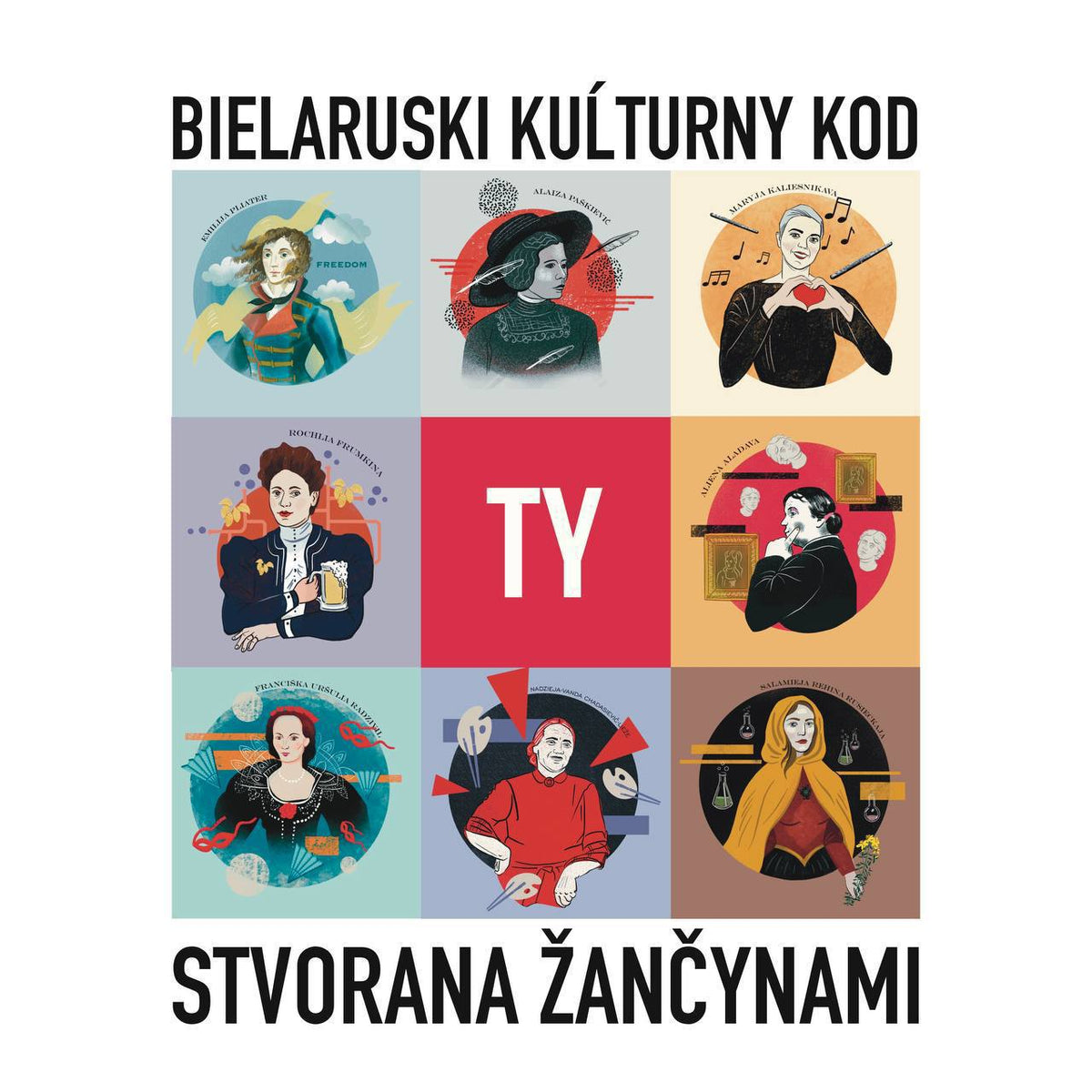
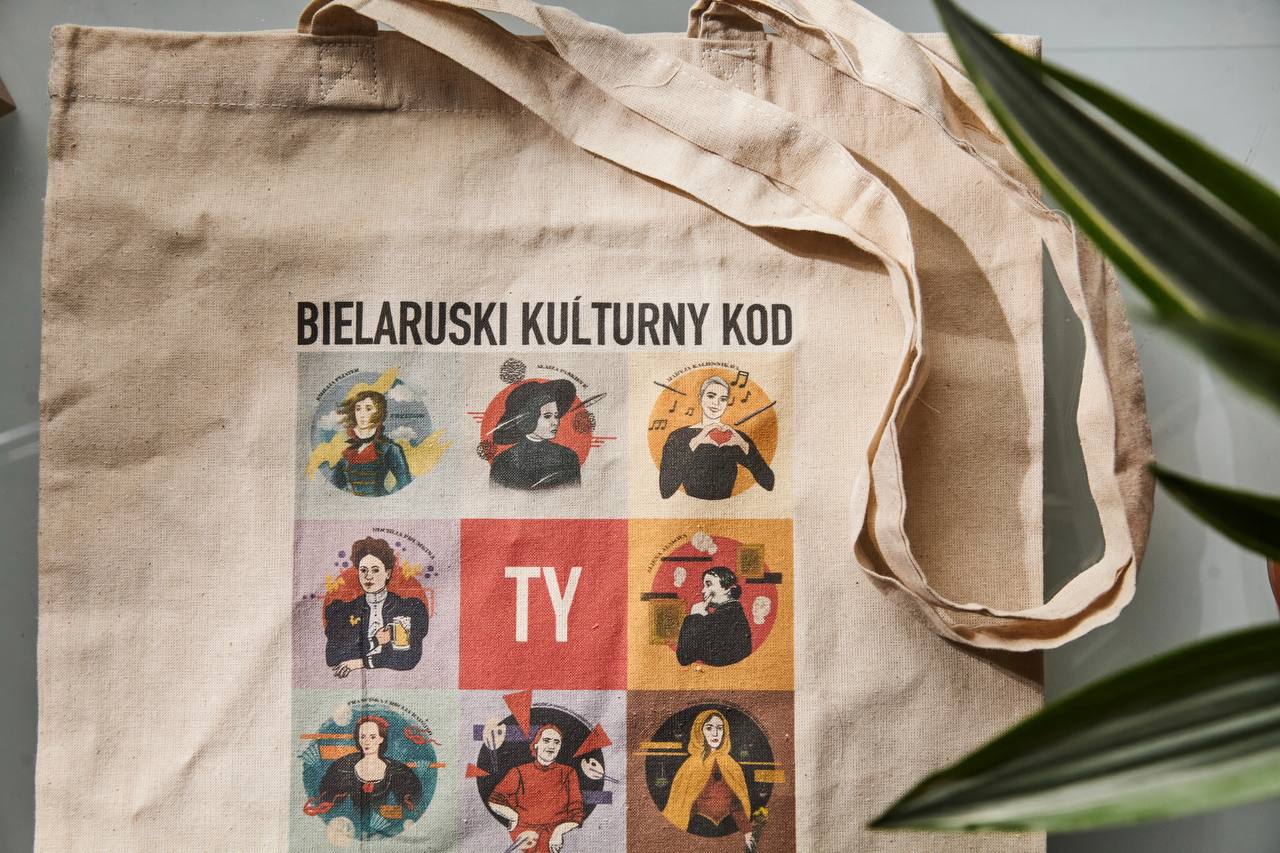
Belarusian Cultural Code: Created by Women - a project in Latin script about prominent women in Belarusian history.
- Aliena Aladava (20th century) — art historian, director of the art museum. Through her efforts, the largest collection of works by Belarusian artists was restored.
Aliena Vasilieŭna organized nearly 30 expeditions across Belarus to find and preserve exhibits valuable to culture. - Emilia Plater (19th century) — the most famous revolutionary in our lands, who was also a folklorist. She fought for the freedom of her homeland during the uprising of 1830–1831. Her persona is a symbol of the struggle against the stereotype that only men can participate in combat operations.
- Nadzieja Chadasievič-Lieže (20th century) — artist, graphic artist, and mosaicist. Her main dream was to become an artist, and despite all the hardships she faced in life, she fulfilled her dream. We believe you have seen her abstract work with the red sphere.
- Rochlia Frumkina (19th century) — entrepreneur and founder of the "Bohemia" brewery (known as "Alivaryja" since the 1990s). She managed the brewery for 12 years. Unfortunately, we do not know what this woman looked like, as no photographs of her have survived.
- Salamieja Rusieckaja (18th century) – traveler, educator, and doctor. Traveling with her husband, a doctor, and assisting him in his work, she learned to heal, primarily eye diseases, and had an official permit for medical practice.
The last known city of her residence was Istanbul. Much of what she saw and felt, Salamieja described in her diary, its abridged title is "The Adventures of My Life." - Franciška Uršulia Radzivil – poet, writer, and author of plays, whose performances were regularly attended by the kings of the Polish-Lithuanian Commonwealth. She organized a theater in Niasviž modeled after the best European theaters of the 18th century, restored the city after destructive wars, and led its defense several times during enemy attacks. Princess Franciška carried out significant educational work and transformed Niasviž into a true center of cultural life at the time.
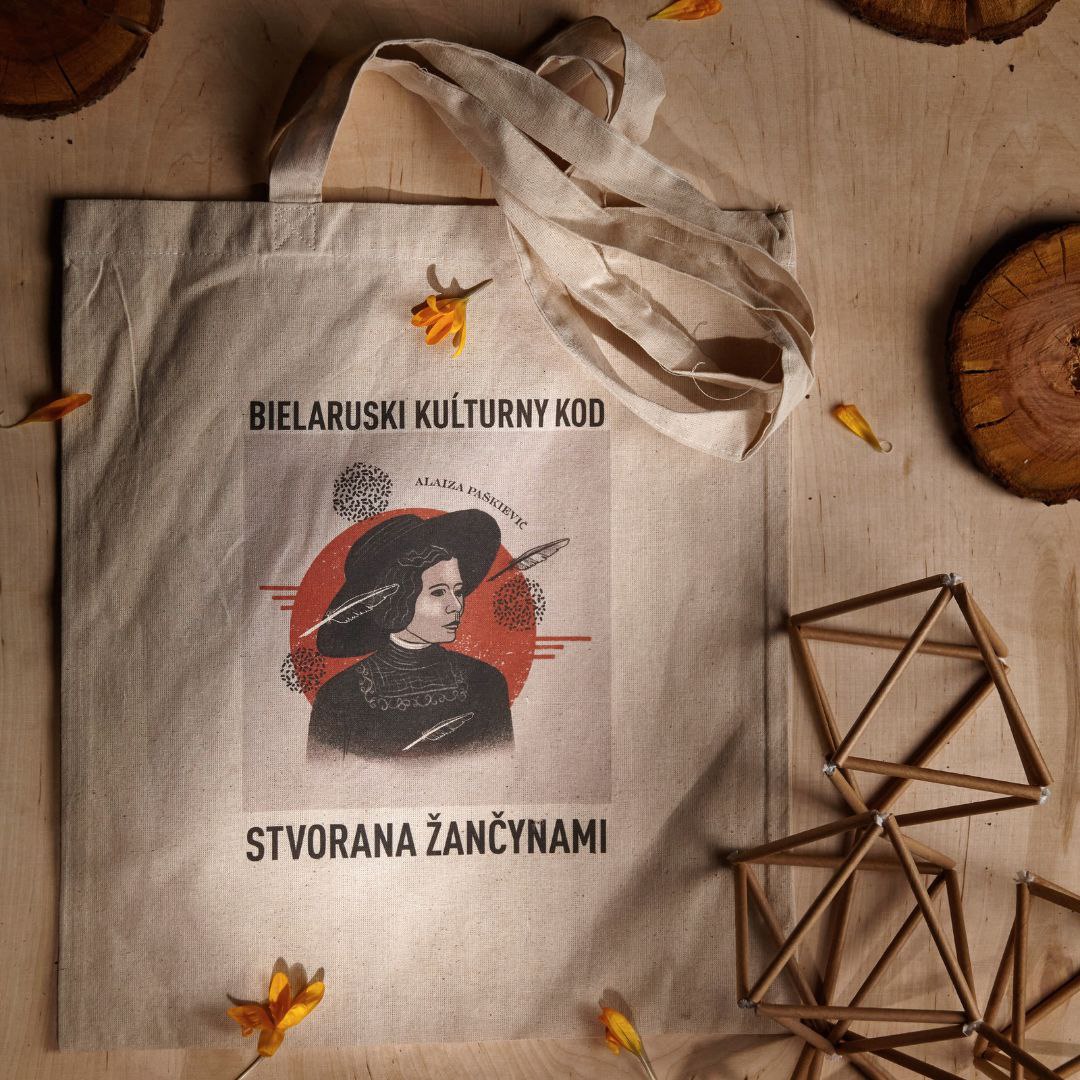
- Alaiza Paškievič (Ciotka) – poet and writer, one of the grand figures of the Belarusian national revival of the early 20th century. Paškievič was an active participant in many public and political organizations, brought education to the masses, and fought for the rights of women and all Belarusians.
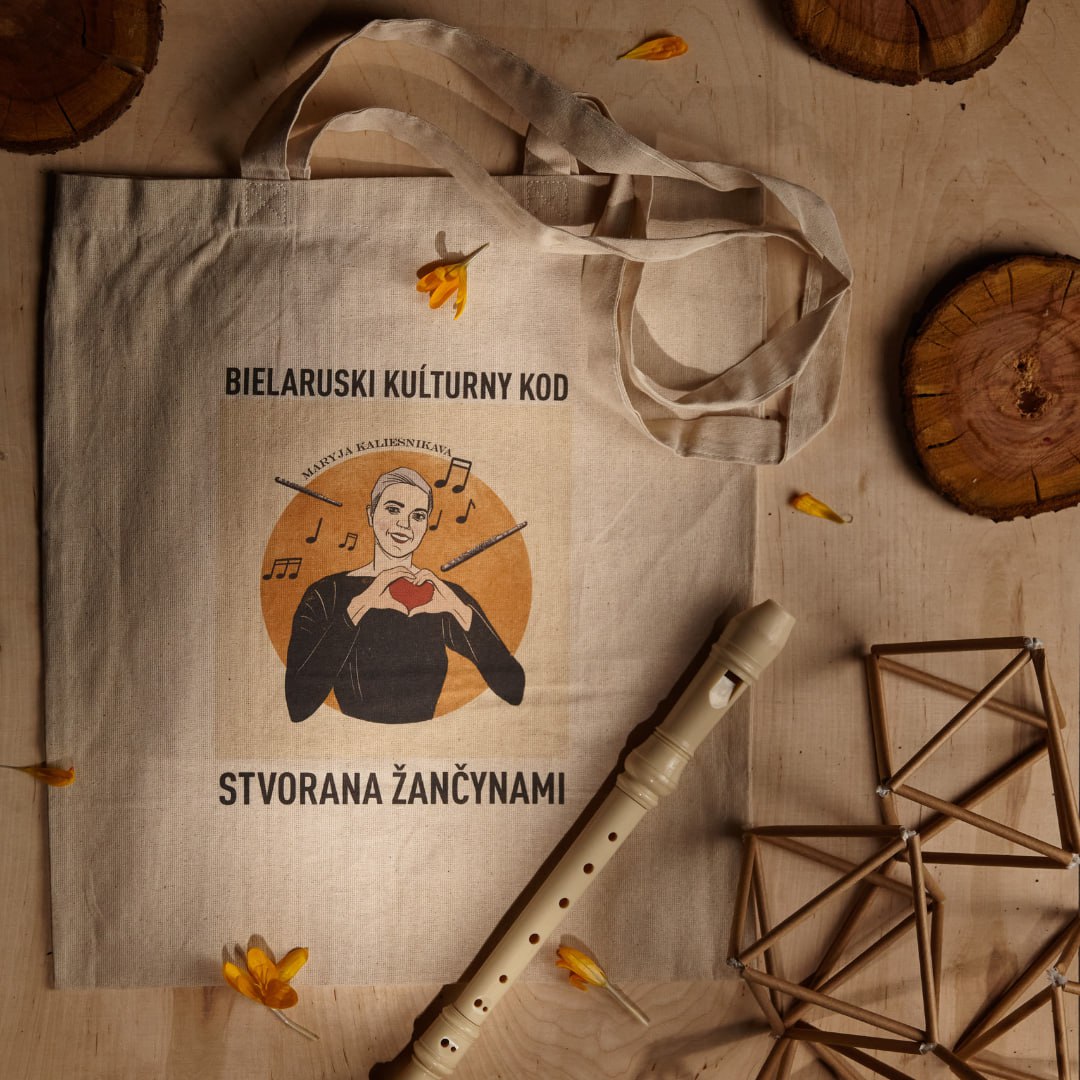
- Maryja Kaliesnikava — political and cultural activist, and now one of the thousands of political prisoners innocently punished for her desire for change in Belarus. Maryja's actions are the best example of courage and persistence, and her smile is a symbol of inexhaustible optimism and faith in victory.
***
Belarusian Cultural Code: Created by Women - a project in Latin script about prominent women in Belarusian history
- Aliena Aladava (20th century) — art historian, director of the art museum. Through her efforts, the largest collection of works by Belarusian artists was restored.
Aliena Vasilieŭna organized nearly 30 expeditions across Belarus to find and preserve exhibits valuable to culture. - Emilia Plater (19th century) — the most famous revolutionary in our lands, who was also a folklorist. She fought for the freedom of her homeland during the uprising of 1830–1831. Her persona is a symbol of the struggle against the stereotype that only men can participate in combat operations.
- Nadzieja Chadasievič-Lieže (20th century) — artist, graphic artist, and mosaicist. Her main dream was to become an artist, and despite all the hardships she faced in life, she fulfilled her dream. We believe you have seen her abstract work with the red sphere.
- Rochlia Frumkina (19th century) — entrepreneur and founder of the «Bohemia» brewery (known as «Alivaryja» since the 1990s). She managed the brewery for 12 years. Unfortunately, we do not know what this woman looked like, as no photographs of her have survived.
- Salamieja Rusieckaja (18th century) – traveler, educator, and doctor. Traveling with her husband, a doctor, and assisting him in his work, she learned to heal, primarily eye diseases, and had an official permit for medical practice. The last known city of her residence was Istanbul. Much of what she saw and felt, Salamieja described in her diary, its abridged title is «The Adventures of My Life».
- Franciška Uršulia Radzivil – poet, writer, and author of plays, whose performances were regularly attended by the kings of the Polish-Lithuanian Commonwealth. She organized a theater in Niasviž modeled after the best European theaters of the 18th century, restored the city after destructive wars, and led its defense several times during enemy attacks. Princess Franciška carried out significant educational work and transformed Niasviž into a true center of cultural life at the time.
- Alaiza Paškievič (Ciotka) – poet and writer, one of the grand figures of the Belarusian national revival of the early 20th century. Paškievič was an active participant in many public and political organizations, brought education to the masses, and fought for the rights of women and all Belarusians.
- Maryja Kaliesnikava — political and cultural activist, and now one of the thousands of political prisoners innocently punished for her desire for change in Belarus. Maryja's actions are the best example of courage and persistence, and her smile is a symbol of inexhaustible optimism and faith in victory.