
Gutenberg
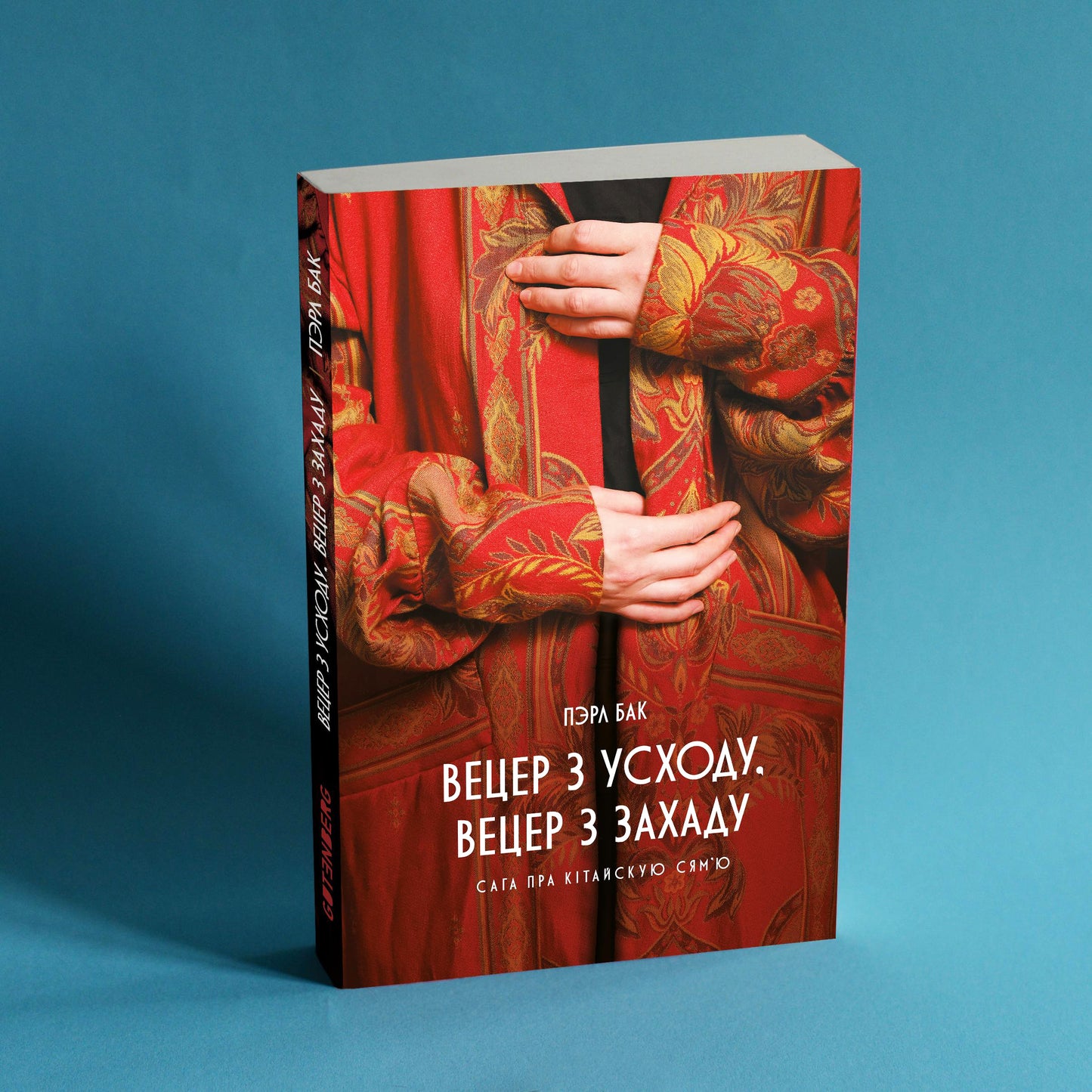
Wind from the East, Wind from the West
Wind from the East, Wind from the West
Аўтар: Pearl Buck
Пераклад: Ekaterina Nesterovich
Low stock: 9 left
Couldn't load pickup availability
Мова: Belarusian
Старонак: 168
Год выдання: 2025
Месца выдання: Krakow
Вокладка: soft
Фармат: 15x21 cm
ISBN: 978-83-68016-34-5
"East Wind: West Wind" is a touching novel by Nobel laureate Pearl Buck, in which Eastern traditions and Western ideas of equality intertwine. The main character, Kwei-lan, lives between the duty imposed by culture and a new understanding of life brought by her Western-educated husband. This book is about harmony between past and present, about transformation, and about how one can remain oneself without losing one's roots. You can order it from the online bookstore Kirma.sh with delivery to any country in the world.
***
In Search of Harmony Between East and West
In traditional society, everyone has their role. Men and women do not merely adhere to customs – they fulfill duties and enjoy rights granted to them by culture. In this lies its own wisdom and its own beauty.
The main character of Pearl Buck's novel "East Wind: West Wind" – Kwei-lan – is not a fighter or a revolutionary. She is a woman who learns to reason and understand herself.
Kwei-lan was born in China, where traditions are as strong as stone walls. She was taught to obey, to preserve family honor, to be a worthy daughter and wife. But her husband, who received a Western education, showed her that one could live differently – not by destroying the past, but by combining the best of traditions and principles of common sense.
This book is about:
- Harmony between culture and modernity
- Wisdom that lies not in power, but in understanding life
- Transformation that does not reject roots, but enriches them
Pearl Buck's novel reminds us that it is important not to fight the past, but to learn to take the best from it and move forward.
QUOTE FROM THE BOOK:
— Don't expect to be drawn to a person you see for the first time in your life, the same applies to me. Our marriage is forced, we were both compelled into it. We did not make this decision independently. But from now on, we can build our lives as we wish. And I want to do everything differently than our ancestors did. I will consider you my equal in everything. You are not my movable property, but a separate person with your own desires, and I would like us to be friends, if, of course, you also want that.
These were the words I heard on our first wedding night. I was surprised and didn't quite understand what it meant: to be equal to a man? And why? Wasn't I his wife? If he didn't tell me what to do, then who would? Wasn't he my rightful master? He says I was forced to marry, but that's not true. What else would I do if I didn't get married? How and to whom else could one marry, if not to the man your parents promised you at birth? I was confused and didn't understand where the coercion lay, because everything was done according to custom.
"East Wind: West Wind"