
Зміцер Колас
Wedding (Used/Ex-library)
Wedding (Used/Ex-library)
Аўтар: Stanisław Wyspiański
Пераклад: from Polish by Liavon Barshcheuski
Out of stock
Couldn't load pickup availability
Мова: Belarusian
Старонак: 206
Год выдання: 2014
Месца выдання: Minsk
Вокладка: soft
Фармат: 13.5x20 cm
ISBN: 978-985-6992-40-0
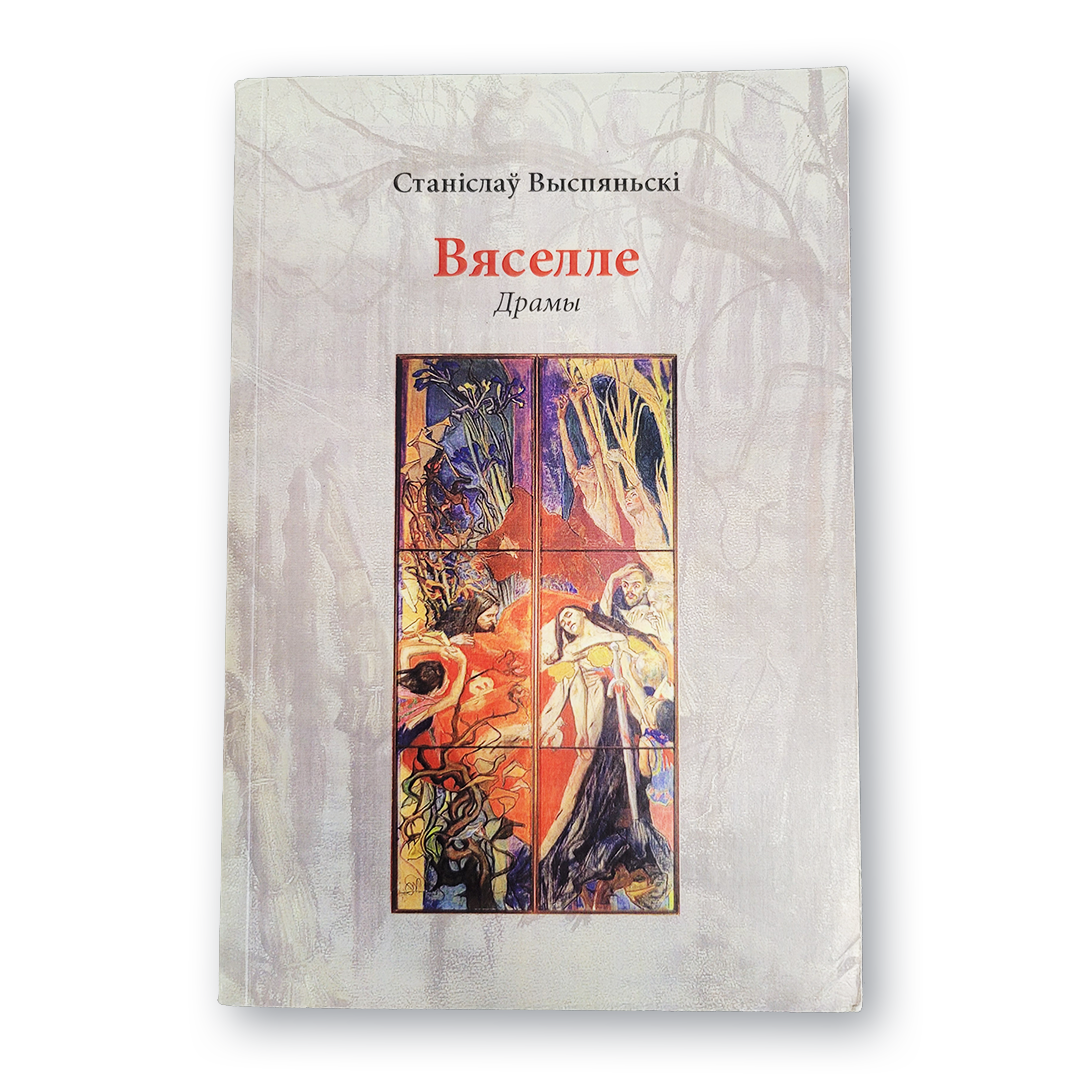
The book brings together two iconic dramas by Stanisław Wyspiański – "The Wedding" and "Varshavianka". Through artistic images and national symbols, they reveal the problems of Polish history, the search for unity and freedom. These are works that influenced the formation of public consciousness and made Wyspiański one of the main authors of "Young Poland".
***
The book includes two of the most famous dramas by the Polish poet, playwright and artist Stanisław Wyspiański (1869—1907) – “The Wedding” and “Varshavianka”.
S. Wyspiański's most famous literary work is the drama "The Wedding" (1901), where the author raises questions of the national-state revival of a unified Poland, finding a common view on the present and future of Poles by different strata of contemporary society – the gentry, peasantry, and "raznochintsy" intelligentsia. At the same time, the playwright gives universal meaning and a metaphysical dimension to the national historical material, or, conversely, looks at world history and pan-European myths through the prism of Polish problems.
In some sources, "The Wedding" is called the best work of Polish dramaturgy of the 20th century.
CONTENTS
Varshavianka
The Wedding
Lavon Barshcheuski. Anti-Romantic Dramas by Stanisław Wyspiański
Comments
About the Author
Stanisław Wyspiański is a Polish poet, playwright, and painter.
Author of a series of symbolic national dramas, imbued with the artistic philosophy of the "Young Poland" movement. His widely known plays include: "Varshavianka" (1898), "Meleager" (1899), "The Curse" (1900), "Liberation" (1903), "November Night" (1908), "The Return of Odysseus" (1917).
